Your Kid Came Home From Camp and Now Your Cul-de-Sac Isn't Good Enough Anymore
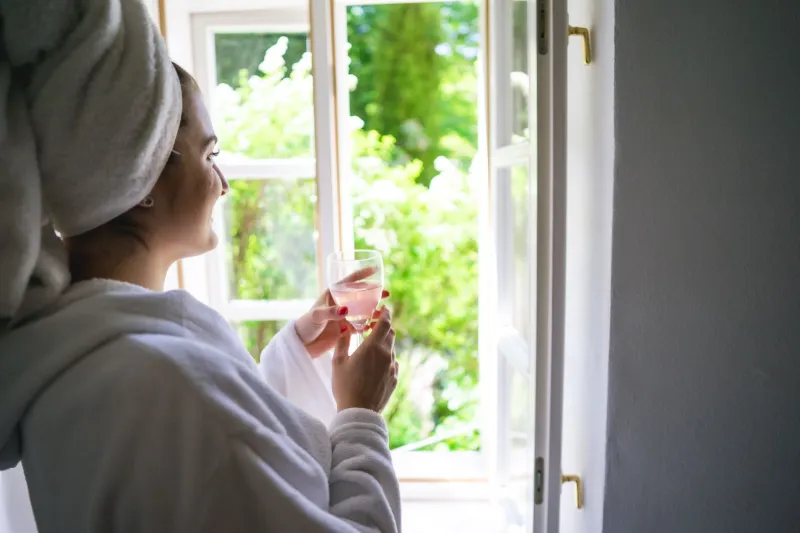
They were gone for three weeks. You counted down the days, stocked the fridge with their favorite snacks, maybe even made their bed with fresh sheets. And then they walked through the door, dropped their duffel bag on the floor, glanced out the window at the perfectly manicured lawn and the neighbor's ring doorbell, and said — with genuine confusion — "So, what do we even do around here?"
Welcome to the flip side of a great northern camp experience. Nobody hands you a pamphlet for this part.
What's Actually Happening in Their Head
Psychologists have a term for what happens when someone returns from an immersive cultural or environmental experience and finds ordinary life disorienting: reverse culture shock. It's most commonly talked about in the context of study-abroad students or Peace Corps volunteers coming home, but it happens to kids too — especially kids who've spent real time in the northern wilderness.
Here's the thing about a summer up north: it's genuinely demanding. Your kid navigated trails without GPS. They woke up before sunrise for fishing. They managed discomfort — cold mornings, bug bites, tired legs — and came out the other side feeling capable. The challenges were real, not simulated. The rewards were earned, not handed over with a Wi-Fi password.
Then they come home to a suburb where the biggest decision of the day is which streaming service to open first. The contrast isn't subtle. Their brain, freshly rewired by meaningful challenge and authentic experience, is now running software that your neighborhood simply wasn't designed for.
Why the Boredom Isn't Ingratitude
It's easy to read your kid's restlessness as disrespect. You work hard to provide a comfortable life — a nice house, a safe neighborhood, activities and gadgets and all the things. When your kid shrugs at all of it, that stings.
But step back for a second. What they're expressing isn't "my parents have failed me." What they're expressing is "I just discovered something about myself, and I'm not sure how to fit it into this place."
At camp, they were part of something. Every task had a purpose. Paddling across a lake mattered. Building a fire mattered. Earning the trust of a counselor and a group of peers — that mattered enormously. Back home, the stakes feel artificially low. The video games, the mall, the neighborhood pool — none of it scratches the same itch.
This is actually a sign the experience worked.
The Comparison Problem (And How to Reframe It)
Left unaddressed, the contrast between northern camp life and suburban reality can curdle into something less healthy — a vague dissatisfaction, a superiority complex, or a general disengagement from family life. You don't want your kid spending September sighing dramatically every time someone suggests dinner at Applebee's.
The move here is to help them reframe the comparison before it becomes a habit.
Try this: instead of asking them to stop comparing, invite them to use the comparison. Ask them what specifically they miss. Is it the physical movement? The unpredictability? The sense of accomplishment? The depth of the friendships? When kids can name what they're hungry for, they can start finding it — or building it — closer to home.
A kid who misses the physicality of camp might channel that into a fall sport or a weekend hiking club. A kid who misses the community might want to start a nature group at school or get involved in a local trail-maintenance volunteer program. The restlessness is energy. It just needs direction.
Practical Moves for Parents Navigating the Transition
Give the disorientation some breathing room. Don't rush to fill every hour of the first week back. The adjustment period is real, and trying to immediately replicate the packed schedule of camp life at home is a losing battle. Let them be a little bored. A little bored is fine.
Ask better questions. "Did you have fun?" is a dead-end question that gets a dead-end answer. Try: "What was the hardest moment, and how did you handle it?" or "What's something you did up there that surprised you about yourself?" These questions invite reflection instead of comparison.
Keep some of the camp rhythms alive. Early mornings, time outside, meals without screens — none of these require a northern wilderness. You can preserve some of the structure that made camp feel meaningful without moving your family to the Yukon.
Resist the urge to dismiss it. When your kid says something like "camp was just real in a way that home isn't," it's tempting to roll your eyes. Don't. They're articulating something genuinely important about what they experienced. Validate it, even if the delivery needs some work.
Start talking about next summer early. Knowing there's another adventure on the horizon transforms the restlessness from open-ended frustration into a specific countdown. It also signals to your kid that you take the experience seriously — that it wasn't just a summer babysitting arrangement, but something worth returning to.
The Bigger Picture
Here's what nobody tells you when you drop your kid off at camp for the first time: a genuinely transformative wilderness experience should make ordinary life feel a little flat at first. That's not a bug. That's the point.
The goal was never to send your kid north so they'd come home perfectly content with the status quo. The goal was to expand what they believe they're capable of, to show them a version of themselves that can handle real difficulty, real beauty, and real connection. If that version of your kid now finds the cul-de-sac a little uninspiring, you haven't created a problem. You've created a kid with higher standards for their own life.
That kid is going to do interesting things.
The suburban neighborhood will survive the scrutiny. And honestly? Your kid might eventually find ways to make it more interesting than you ever did.