Home Feels Weird Now: Understanding Why Your Camper Seems Lost After Returning from the North
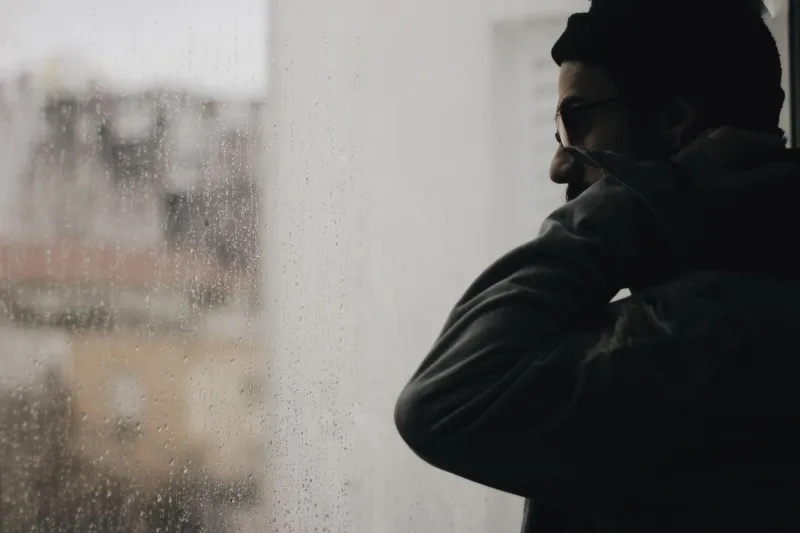
You drove four hours to pick them up. You hugged them in the parking lot. You stopped at their favorite burger place on the way home. And somewhere between the milkshake and pulling into the driveway, you noticed it — a kind of quiet behind their eyes that wasn't there before they left.
By day two, they're restless. By day four, they're scrolling through their phone with a look that's less enjoyment and more obligation. By the end of the first week back, you're wondering whether camp somehow broke them.
It didn't. What you're watching is reverse culture shock — and if you understand what's actually happening inside your kid's head right now, it changes everything about how you respond to it.
What Reverse Culture Shock Actually Means
The term gets used mostly in the context of adults returning from international travel or military deployment, but the psychological mechanics are the same for a twelve-year-old coming home after five weeks in the northern wilderness. They left one culture and fully adapted to it. Now they've been dropped back into their original environment — and it no longer fits the same way it used to.
At camp, decisions had weight. Choosing the wrong trail or misreading the weather had real consequences. Friendships formed fast and ran deep because there was nothing artificial propping them up — no follower counts, no group chat dynamics, no social performance. The community was small, the roles were clear, and the feedback was immediate. You helped carry the canoe or you didn't. You showed up for your tent partner or you didn't.
Suburban life operates on entirely different logic. The social stakes feel simultaneously higher and more meaningless. The feedback loops are slower and murkier. And the sense of physical purpose that camp provided — paddling, hiking, building, problem-solving outdoors — gets replaced almost overnight by air conditioning and a class schedule.
Is it any wonder they seem a little lost?
The Specific Things That Feel Jarring
Most returning campers struggle with a handful of the same friction points, even if they can't articulate them clearly.
Social media is suddenly exhausting. After weeks of face-to-face connection, scrolling Instagram feels hollow in a way it didn't before. They may not be able to explain why. They just know that the version of friendship they had at camp doesn't exist in their phone, and the comparison is uncomfortable.
Comfort feels almost suspicious. Sleeping in their own bed, eating hot meals without earning them, having nothing physically challenging to do — it sounds great in theory, but kids who've been living with productive difficulty often feel weirdly unsettled by the absence of it. Their nervous system got calibrated to a different baseline.
Old friend groups feel unfamiliar. The kids they've known since second grade suddenly seem like they're speaking a slightly different language. Camp friendships were built on shared hardship and authentic presence. Neighborhood friendships, by contrast, often run on shared history and social norms that feel more complicated to navigate.
They miss being needed. At camp, every person in a cabin or on a trail crew had a function. Back home, that sense of genuine contribution is harder to find. The dishes still need doing, sure, but it doesn't carry the same weight as being the person your whole group counted on to read the map.
What Parents Often Get Wrong
The instinct is to fill the void. Sign them up for something. Organize a sleepover with their old friends. Let them decompress in front of the TV for a week. These aren't bad impulses, but they tend to treat the symptom rather than the source.
The bigger mistake is minimizing what they're feeling. Telling a kid that they just need to "get back into the swing of things" — while technically true — communicates that their disorientation isn't valid. It is valid. They adapted to a genuinely different way of living, and readjusting takes real time.
Equally unhelpful: pressuring them to perform happiness about being home. If they seem flat or withdrawn, asking "Aren't you glad to be back?" puts them in an impossible position. Of course they love their family. They're also grieving something real.
What Actually Helps
The good news is that reverse culture shock, handled well, can become one of the more valuable outcomes of a camp summer. Here's what tends to work.
Give it a name. Just telling your kid that what they're experiencing has a name — reverse culture shock — can be enormously relieving. It reframes their disorientation from a personal failing into a normal psychological response to a real transition. Most kids visibly relax when they understand that what they're feeling makes sense.
Create low-pressure space to talk about camp. Not interrogation — space. Ask what they miss most. Ask who they're hoping to stay in touch with. Let them tell the stories at their own pace rather than extracting highlights for the family dinner table. The more they can process the experience verbally, the more they can integrate it rather than mourn it.
Look for small ways to keep the values alive. The northern camp mindset doesn't have to evaporate the moment they're back in a zip code with DoorDash. Can they take on a real responsibility at home — something that matters, not just a chore chart? Can you plan a weekend camping trip before school starts? Can they call or write to a camp friend? Continuity matters.
Ease the screen re-entry. You don't have to go cold turkey on devices forever, but consider negotiating a gradual reintroduction rather than an immediate flood. A few hours of outdoor time before phone time in the morning can help maintain some of the rhythm their brain got used to up north.
Let the school year carry some of the adjustment. Most kids fully re-acclimate within four to six weeks of returning home. The start of school, the resumption of sports or activities, and the natural momentum of fall routines do a lot of the heavy lifting. Your job isn't to fix the transition — it's to not make it worse by rushing it.
The Bigger Picture
Here's the thing worth holding onto: a kid who struggles to readjust to suburban life after a summer in the northern wilderness is a kid who genuinely absorbed something up there. The discomfort is evidence of growth, not damage.
They learned what it feels like to live with intention, to depend on a community, and to measure a day by what they did rather than what they consumed. That knowledge doesn't disappear — it just needs time to find its footing in a different landscape.
Your job as a parent is to be patient with the landing. The kid who came home a little quieter and a little harder to impress? That's not a problem to solve. That's exactly who you were hoping they'd become.