What Happens Inside a Kid's Head After One Summer of Real Northern Wilderness
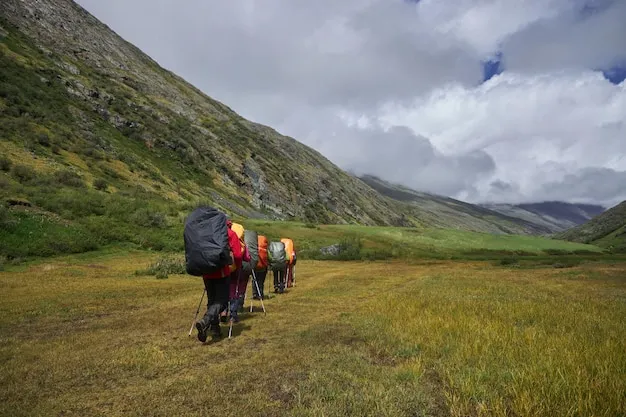
Photo: teenager hiking northern wilderness trail overcast sky backpack, via img.freepik.com
Send a kid to a northern wilderness camp for eight weeks, and something changes. Parents notice it at pickup. The child who got anxious about forgotten homework is now calm when the luggage carousel spits out the wrong bag. The kid who melted down over a bad Wi-Fi connection shrugs off a flat tire on the family road trip home. Something got rearranged — quietly, without anyone making a big deal about it.
That rearrangement is real, and it's measurable. Psychologists and neuroscientists have spent the last two decades trying to understand exactly what extended outdoor experiences do to developing brains, and the findings are striking. More interesting still is what makes northern wilderness environments particularly effective at producing these changes — and why replicating them at a suburban summer day camp or a weekend hiking trip just doesn't cut it.
The Risk Problem We've Created for Our Kids
Here's an uncomfortable truth: American childhood has become extraordinarily safe — and not entirely in a good way. Researchers like Dr. Peter Gray at Boston College have been sounding the alarm for years. When kids are shielded from every scraped knee, every social conflict, every moment of boredom or genuine uncertainty, they don't just miss out on fun. They miss out on the neurological training that teaches them how to handle adversity.
The brain's threat-response system — centered in the amygdala — learns through exposure. When a child faces a manageable challenge, works through it, and survives intact, the brain updates its threat library. That situation? Not fatal. I handled it. Next time, the stress response is smaller, the recovery faster. Psychologists call this process "stress inoculation," and it's a cornerstone of resilience research.
The problem is that most modern kids aren't getting enough low-stakes exposure to genuine challenge. Not manufactured challenge, not gamified challenge — real, unpredictable, unscripted challenge. Which is exactly where the northern wilderness comes in.
Why the North Is Different
Not all outdoor environments are created equal when it comes to psychological development. A beach resort with a ropes course is fun. A mountain resort with zip lines is thrilling. But neither delivers what a true northern wilderness experience does, and the reasons are specific.
Extended daylight hours change everything. At higher latitudes during summer, the sun barely sets. Kids at northern camps are navigating a world where their internal clocks get genuinely disrupted — and they have to adapt. That adaptation isn't trivial. Learning to self-regulate sleep, energy, and mood when environmental cues are unreliable is a sophisticated executive-function skill. It's the same mental flexibility that helps adults manage jet lag, shift work, and high-pressure deadlines.
The weather is genuinely variable. A morning that starts sunny at 65°F can turn into a cold, sideways rain by noon in northern regions. Kids at northern wilderness camps learn — fast — that conditions change and plans must change with them. Research on adaptive cognition suggests that environments with genuine unpredictability train the prefrontal cortex to stay flexible, a quality strongly associated with emotional resilience in adulthood.
The isolation is real. There's no sneaking off to a convenience store. There's no cell signal to call Mom when things get hard. The psychological weight of knowing that you are the resource — that your group has to figure this out together — creates a kind of productive pressure that urban and suburban environments almost never generate. Studies on self-determination theory consistently show that genuine autonomy, especially when the stakes feel real, produces deeper and more lasting gains in self-efficacy than any amount of praise or reward can.
What's Actually Happening in the Brain
When neuroscientists look at adolescents who've had extended wilderness experiences, they find changes in two key systems: the default mode network (DMN) and the prefrontal cortex's regulatory circuits.
The DMN is active when we're at rest — daydreaming, ruminating, scrolling social media. In adolescents with anxiety and depression, the DMN tends to be overactive. Time in nature, particularly immersive and extended time, has been shown to quiet the DMN in ways that shorter exposures don't. One landmark study out of Stanford found measurable reductions in rumination after just 90 minutes of nature walking — but the effects compound significantly with longer exposures.
More importantly, the prefrontal cortex — the brain's executive headquarters for planning, impulse control, and risk assessment — is still actively developing through the mid-twenties. Experiences during adolescence have an outsized influence on how that development goes. When a teenager successfully navigates a genuine wilderness challenge — say, leading a canoe group through unexpected rapids, or rerouting a hiking trail after a washout — they're not just building a memory. They're literally shaping the neural architecture that will govern their risk assessment and emotional regulation for the rest of their lives.
The Difference Between Managed Risk and Real Risk
One distinction that comes up repeatedly in the research is the difference between perceived risk and managed risk. Most adventure activities kids encounter — rock climbing walls, obstacle courses, even many traditional summer camp activities — involve high perceived risk with very low actual risk. The harness will catch you. The counselor is right there. The outcome is essentially guaranteed.
True wilderness environments introduce something different: real uncertainty with manageable stakes. A thunderstorm rolling in during a backcountry hike isn't scripted. The right decision isn't obvious. There's no harness. The group has to read the environment, make a call, and live with the outcome. That experience — making a real decision under real pressure and handling whatever comes — is the specific ingredient that drives the deepest psychological change.
Northern wilderness camps, by their very nature, serve up this kind of unscripted challenge regularly. The environment doesn't cooperate. The midnight sun messes with your schedule. The weather doesn't care about your itinerary. And somehow, because of all that, kids come home different.
The Lasting Footprint
Follow-up studies on wilderness program participants consistently show that the gains don't evaporate when campers get home. Improvements in self-concept, locus of control (the belief that your actions actually influence outcomes), and stress tolerance tend to persist — and in some cases, grow — in the months following an extended outdoor experience.
Parents often describe it as a new baseline. Their kid doesn't go back to exactly who they were before camp. They're a little steadier. A little more willing to try something hard. A little less rattled when life doesn't go according to plan.
That shift isn't magic, and it isn't accidental. It's the predictable output of a brain that spent a summer getting exactly the kind of challenge it was built to handle — real, variable, demanding, and deeply rewarding.
The northern wilderness didn't make your kid tougher by being brutal. It made them tougher by being honest. And that's a distinction worth understanding before you book next summer.