Gone in Three Days: The Quiet Moment When Your Kid Forgets They Own a Phone
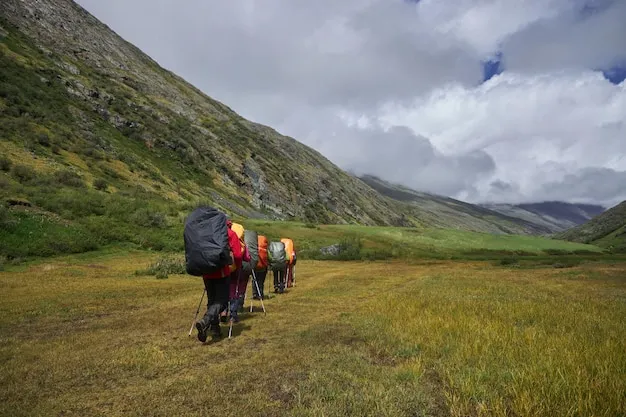
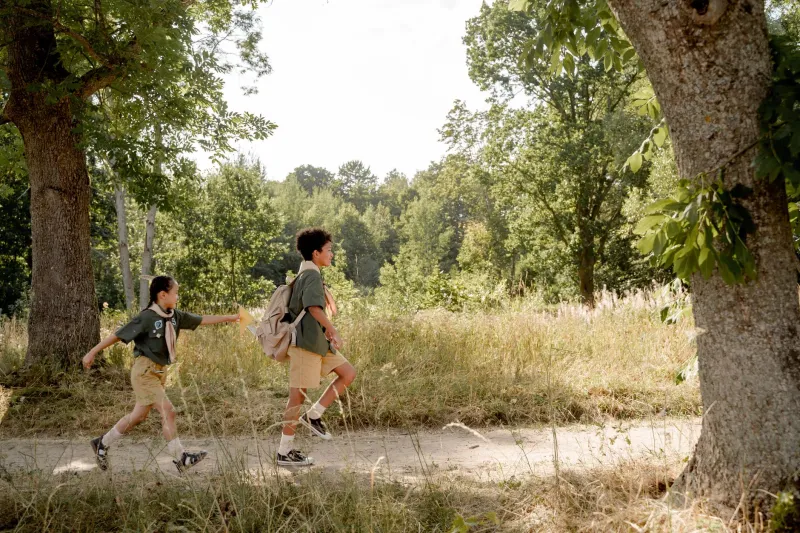
Somewhere around day three, it happens. Not with a dramatic announcement or a tearful breakthrough — it's quieter than that. A kid who spent the entire car ride north refreshing their Instagram feed suddenly doesn't reach for their pocket when they wake up. They reach for their hiking boots instead.
Parents hear about this moment at pickup and they almost don't believe it. But camp directors at northern wilderness programs see it so consistently they've started calling it "the shift" — and the science behind it is genuinely fascinating.
Why the Usual Approach Doesn't Work
Most families have tried the rules-based approach to screen time. No phones at dinner. An hour limit before bed. Parental controls that turn into a daily negotiation. The problem isn't willpower or even parenting strategy — it's biology.
Digital platforms are engineered to trigger dopamine responses. Every notification, every scroll, every like delivers a small neurochemical reward that keeps the brain coming back for more. Telling a kid to stop using their phone is a bit like telling them to stop enjoying sugar. Technically possible, but you're fighting a system that's been deliberately designed to win.
Taking away the device without replacing the underlying need — for stimulation, connection, novelty, and a sense of accomplishment — just creates frustration. The kid counts down the hours until they get it back.
Northern camp works differently. It doesn't remove the phone and leave a void. It fills that space so completely that the void never really forms.
What the Brain Is Actually Looking For
Dr. Stuart Brown, one of the leading researchers on play and human development, has spent decades documenting what happens when people — especially young people — engage in genuine unstructured and purposeful physical activity. The short version: the brain lights up in ways that screens simply can't replicate.
When a kid paddles a canoe into a headwind for the first time and actually makes it across the lake, that's not a simulated achievement. It's a full-body, real-stakes experience that produces lasting neurological rewards. The sense of competence that follows isn't manufactured by an algorithm. It's earned.
Neuroscientists refer to this as intrinsic motivation — the kind that comes from inside rather than from external validation. Screens are almost entirely extrinsic. Northern camp experiences are almost entirely intrinsic. And once a kid's brain gets a sustained taste of the real thing, the artificial version starts feeling a little thin.
The Social Layer Nobody Talks About
Here's something camp directors will tell you that rarely makes it into the screen-time conversation: a huge part of why kids are on their phones is loneliness, or at least the low-grade social anxiety that comes from being surrounded by people while feeling disconnected from them.
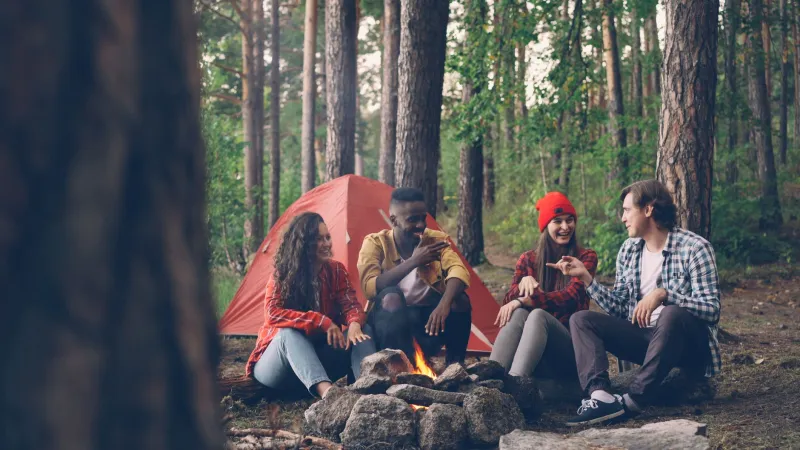
A cabin of eight kids sharing bunk space, cooking over a fire together, and navigating a ropes course as a team creates a kind of social density that most American teenagers never experience. You can't ghost someone you're sharing a tent with. You have to actually talk, actually disagree, actually figure it out.
That intensity of real human connection is, for many kids, a revelation. And once you've had a genuine belly-laugh conversation at midnight with your bunkmates about absolutely nothing, the curated version of social life on your phone starts to feel like a pretty poor substitute.
Mark Hendricks, a camp director who has run northern wilderness programs for over fifteen years, puts it simply: "By the end of the first week, I'm watching kids choose to sit around a campfire talking instead of going to the one hour of supervised device time we offer. They're not being forced. They just genuinely prefer this."
The Role of Purposeful Challenge
One thing that separates northern wilderness programming from a typical family vacation or a week at a theme park is the presence of meaningful difficulty. Kids here aren't entertained — they're challenged. There's a real difference.
Entertainment is passive. Challenge is active. When a teenager has to read a topographic map to navigate a backcountry trail, or learns to identify edible plants before a foraging activity, or helps a younger camper work through a fear of heights on a climbing wall, their brain is fully engaged in a way that entertainment never demands.
That engagement has a technical name in psychology: flow state. Coined by researcher Mihaly Csikszentmihalyi, flow describes the mental condition of being so absorbed in a challenging and rewarding task that time seems to disappear. Athletes experience it. Musicians experience it. And kids at northern wilderness camps experience it with surprising regularity.
Flow is, notably, the opposite of the fragmented, notification-interrupted experience of scrolling through a phone. And once the brain learns what flow actually feels like, it tends to want more of it.
What Sticks When They Get Home
The question every parent asks is some version of: "But will it last?"
Honestly? It varies. A kid who spends two weeks at camp and returns to an environment where screens are the default social activity will face real pressure to revert. The camp experience doesn't immunize anyone against that.
But something does tend to stick, and it's subtler than a reduced screen-time number on the family's parental control dashboard. Kids come home having experienced a different version of themselves — a version that's capable, connected, and genuinely engaged with the physical world. That self-knowledge doesn't disappear when they pick up their phone again.
Many families report that the conversation around screens actually gets easier after camp — not because the kid suddenly agrees with every rule, but because they have a shared reference point. "Remember how good you felt at camp?" becomes a real question rather than a rhetorical one.
Some kids start asking to go back before the summer is even over. Not because camp was perfect or easy, but because it was real in a way that's hard to find anywhere else.
The Unplugging Nobody Planned
There's something worth sitting with here: the most effective screen-time intervention most American kids will ever experience isn't an app, a family meeting, or a new set of rules. It's three days under a northern sky with a group of people they didn't know before, doing things that are genuinely hard and genuinely worth doing.
The phone doesn't go away forever. That's not really the point. The point is that a kid who has felt what full engagement actually feels like — in their body, with real people, in a real place — carries that knowledge with them. And that changes the relationship with the screen in ways that no lecture ever could.
Some summers just quietly rearrange a kid's priorities. This is one of them.