When the Suburbs Stop Making Sense: Helping Your Camper Reconnect After a Summer in the Wild North
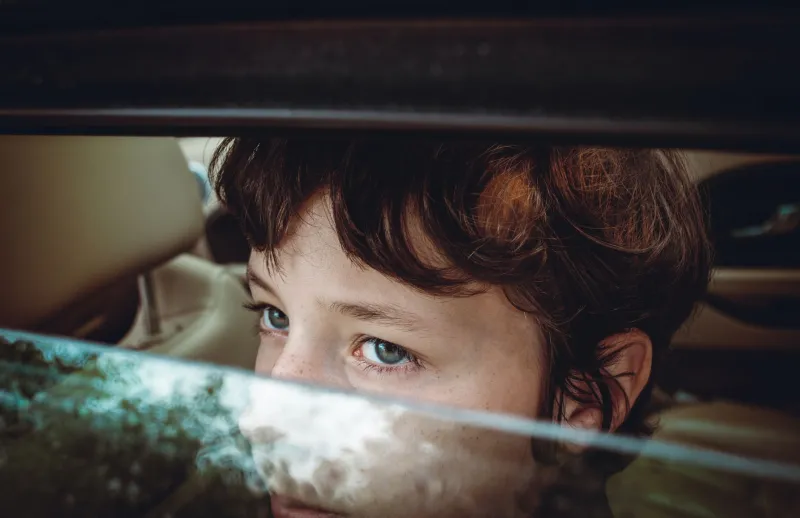
You noticed it before the car even pulled out of the pickup line. Your kid — the same one who used to argue about whose turn it was to pick the Netflix show — was quiet in a different way. Not sulky. Not tired. Just elsewhere. Eyes drifting toward the tree line. Barely registering the familiar exits on the highway home.
By day three, the complaints started. The bedroom felt too soft. Dinner conversation felt too small. The neighborhood, the routine, the rhythm of regular life — all of it suddenly seemed to lack something your child couldn't quite name but absolutely felt.
Welcome to what psychologists sometimes call re-entry disorientation. Parents of northern wilderness campers know it by a different name: that strange, bittersweet week when your kid comes home transformed and can't quite figure out where the new version of themselves fits.
What Actually Happened Up There
To understand the friction, you have to understand what your kid just lived through. A summer at a northern wilderness camp isn't a vacation. It's not supervised fun with a nature backdrop. It's a sustained period of genuine independence — reading weather, managing gear, resolving real conflicts with real consequences, sitting in silence that isn't manufactured.
Those experiences register differently in a developing brain than any classroom lesson or scheduled activity ever could. Research in environmental psychology consistently shows that time in remote natural settings recalibrates how young people assess risk, process emotion, and determine what's worth their attention. Your kid didn't just gain a few new skills. Their internal compass got reset.
So when they walk back into a world organized around bell schedules, social media metrics, and what the neighbors are doing with their front yard, the dissonance isn't drama. It's data. It means the summer worked.
The Specific Things That Feel Unbearable
Every camper's re-entry looks a little different, but certain themes show up almost universally.
Boredom that feels almost physical. Kids who spent weeks problem-solving in dynamic environments often describe suburban life as aggressively uneventful. When your biggest challenge for the last two months was safely navigating a portage trail or keeping a campfire going in the rain, deciding between two brands of cereal at the grocery store registers as existentially pointless.
Social exhaustion from low-stakes drama. Camp friendships form fast and run deep because the context demands it. When you're sharing a tent with someone through a three-day thunderstorm, you skip the small talk. Back home, the social currency is different — who said what, who's in which group, who posted what. Kids who've experienced the other kind of connection often find this version hollow and hard to fake.
A new intolerance for passive entertainment. Screens feel different after a summer without them. Not necessarily bad — but flat. A kid who spent July building fires, reading topography maps, and staying alert to their natural surroundings has a nervous system that's been operating at a different frequency. Sitting still for two hours watching something happen to fictional people takes a kind of patience that feels newly strange.
The uncomfortable awareness that they've changed and their world hasn't. This one is the deepest, and the hardest for parents to sit with. Your child grew in ways that their bedroom, their friend group, and their school haven't accounted for yet. That gap is real, and it's disorienting to stand in it.
What Not to Do
The instinct for a lot of parents is to normalize the feelings away. You'll get used to it again. You're just tired. Give it a week. That impulse comes from a good place — you want your kid comfortable — but it accidentally sends the message that what they experienced was a detour, not a development.
Equally unhelpful is swinging the other direction and over-romanticizing it. Treating the camp experience as so sacred that regular life can never measure up sets your child up to feel chronically displaced in their own home.
What actually helps is simpler, and harder: staying curious instead of corrective.
Strategies That Actually Bridge the Gap
Ask questions about the why, not just the what. Instead of "What was your favorite part?" try "What did you figure out about yourself up there that you didn't know before?" That kind of question honors the depth of the experience without turning it into a highlight reel.
Let them keep some of the practices. If they got used to waking up early and being outside before breakfast, don't immediately override that with a return to old routines. Find the habits from camp that made them feel like themselves and make room for those at home. Even a ten-minute walk before school can serve as a daily anchor.
Create a physical space for what they brought back. Maps, journals, gear, photos — let them have a corner of their room that holds the evidence of who they became up north. Identity needs anchoring, especially during transition.
Connect them with other campers. The re-entry is significantly easier when kids know they're not alone in feeling it. If your camp has a community forum, a group chat, or a fall reunion, prioritize those touchpoints. Shared language is a powerful stabilizer.
Be honest about your own limitations. You weren't there. You can't fully know what it felt like to navigate a fog-covered lake at dawn with a group of kids who'd become your people. That's okay. You don't have to have experienced it to validate it. "I can tell that meant something real to you" is enough.
The Bigger Picture
Here's the thing about reverse culture shock that's worth holding onto: it doesn't mean your kid is broken or difficult or that camp ruined suburban life for them. It means they now have a wider frame of reference for what life can feel like when it's fully engaged.
That's not a problem to solve. That's the whole point.
The kids who come home from a northern summer and feel that friction are the ones who went deep enough to actually be changed by it. The disorientation is temporary. The growth is permanent. And the job of re-entry isn't to erase what happened north of the tree line — it's to help your kid figure out how to carry it.
That's a skill that will serve them longer than anything they'll learn in September.