How Summer Camp Turned My Kid Into Someone Who Actually Wants to Eat Dinner With Us
For years, getting a teenager to sit down for a family meal felt roughly as productive as asking them to reorganize the garage. Phones on the table, one-word answers, a general attitude that dinner was an inconvenient interruption to whatever was happening upstairs. Sound familiar?
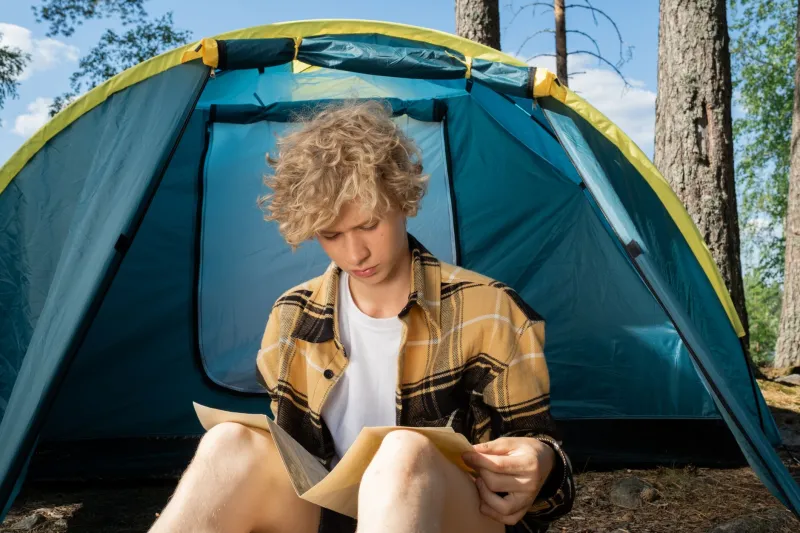
Then came camp. One summer in the northern wilderness — eating three meals a day in a loud, chaotic, weirdly wonderful dining hall surrounded by bunkmates and counselors — and something quietly rearranged itself inside your kid. They came home and started pulling a chair out at dinnertime without being asked. They started asking questions. They started talking.
You're not imagining it. And it's not a phase.
What Actually Happens at the Camp Dining Hall
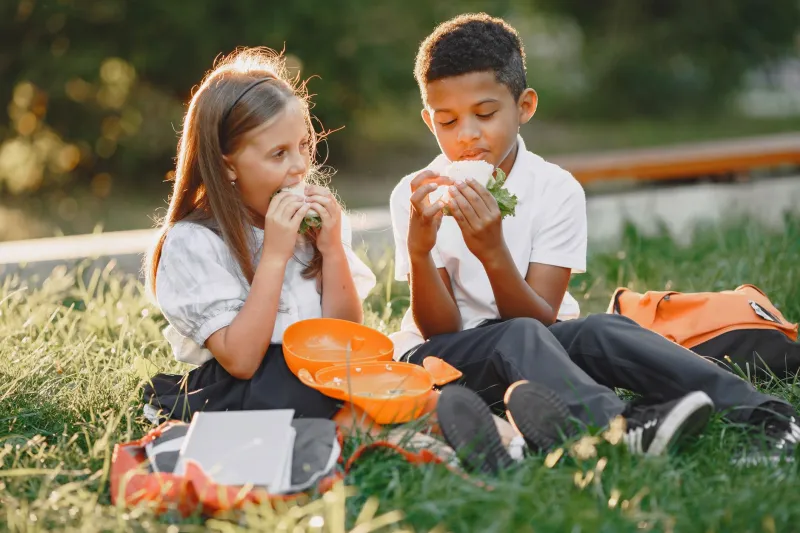
At a northern camp like Camp North End, meals aren't just fuel stops. They're events. Every breakfast, lunch, and dinner, campers gather at long tables — same crew, day after day — and eat together with their counselors sitting right alongside them. No screens. No solo plates in front of a TV. Just people, food, and conversation.
That might sound simple, but the cumulative effect of doing that three times a day for six or eight weeks is genuinely significant. Researchers who study shared meals have found that the frequency and consistency of eating together matters just as much as the quality of the conversation happening over the food. Camp dining halls deliver both in abundance.
Counselors model what engaged table talk looks like. They ask real questions — not "how was your day" but "what was the hardest part of the portage today" or "what would you do differently on tomorrow's hike." Campers pick that up fast. They start doing it to each other. By week three, your kid is running a dinner conversation like a seasoned pro without even realizing it.
The Psychology of Eating Together — And Why Camp Gets It Right
There's a reason family dinners have been a focal point in child development research for decades. Studies out of Columbia University's Center on Addiction found that teens who eat dinner with their families five or more times per week are significantly less likely to use substances, more likely to report stronger relationships with their parents, and more likely to perform well academically. The table, it turns out, is doing a lot of work.
But here's what those studies often don't unpack: the why behind family dinner mattering has less to do with the meal itself and more to do with what consistent, low-stakes togetherness does to relationships over time. It builds familiarity. It creates a rhythm. It gives people a daily moment to be witnessed by the people they care about.
Camp dining halls nail this almost accidentally. When you eat with the same twelve kids every single morning for two months, you start to notice things. You notice who's quiet on hard days. You notice who always saves the last piece of cornbread for their bunkmate. You notice who needs a laugh before they can engage. That noticing — that practice of paying attention to the people across the table — is exactly what makes camp dinners feel different from eating alone in your room.
Kids bring that habit home.
Why the Camp Table Hits Differently Than Home (At First)
It's worth being honest about something: the camp dining hall has a few built-in advantages that your kitchen table doesn't. There's novelty. There's the energy of a group. There's the fact that everyone just spent six hours doing something genuinely hard together, which gives them actual things to talk about.
At home, the conditions are different. The novelty wears off. People are tired from school and work and the general grind of regular life. The conversation has to be more intentional because the shared experience isn't automatically built in.
But here's the thing — your kid has spent a whole summer practicing intentional conversation. They know how to ask a follow-up question. They know how to sit with someone who's quiet. They've watched counselors draw people out with curiosity instead of interrogation. That's a skill set, and it doesn't disappear when they step off the bus.
Practical Ways to Recreate That Camp Dining Hall Energy at Home
You don't need to install long wooden benches in your kitchen or ring a bell to call everyone to the table (though honestly, no judgment if you try). What you can do is borrow a few structural things from the camp dining experience that make a real difference.
Make it a consistent time. Camp meals happen at the same time every day. That predictability signals that the meal matters. Pick a dinnertime your family can actually hit most nights and protect it.
Ask better questions. "How was school" is a conversation ender. "What's something that surprised you today" is a conversation starter. Camp counselors are trained to lead with curiosity. You can do the same thing at your own table.
Put the devices in another room — all of them. This one's non-negotiable. The camp dining hall works in part because there's genuinely nowhere else to look. Recreate that condition at home and watch what happens.
Let the meal linger. Camp dinners aren't rushed. There's usually singing, announcements, a little chaos. Nobody's bolting the moment their plate is clean. Give your family permission to sit after the food is gone. That's often when the real conversation starts.
Rotate who picks the topic. At camp, counselors often prompt the table with a question or a challenge for the day. Steal this. Let your kid pick the dinner topic on Tuesdays. Let your partner pick on Thursdays. Giving people ownership over the conversation makes them more invested in showing up for it.
The Longer Game
Here's what's easy to miss in all of this: your kid didn't come home from camp just craving family dinner. They came home having experienced what it feels like to be genuinely known by the people they eat with. That's a different hunger entirely.
The camp dining hall — loud, imperfect, occasionally smelling of bug spray and lake water — gave them a taste of what it's like when a meal is about more than food. It's about belonging. About being seen. About the particular comfort of sitting down with your people at the end of a hard day.
Your family table can be that. It already is, in ways you might not fully recognize yet. Your returning camper just figured out how much it matters — and now they're ready to show up for it.
That's not a small thing. That's one of the best things camp ever gives a kid.