Why Your Kid Needs a Northern Summer: The Real Science of Outdoor Mental Health
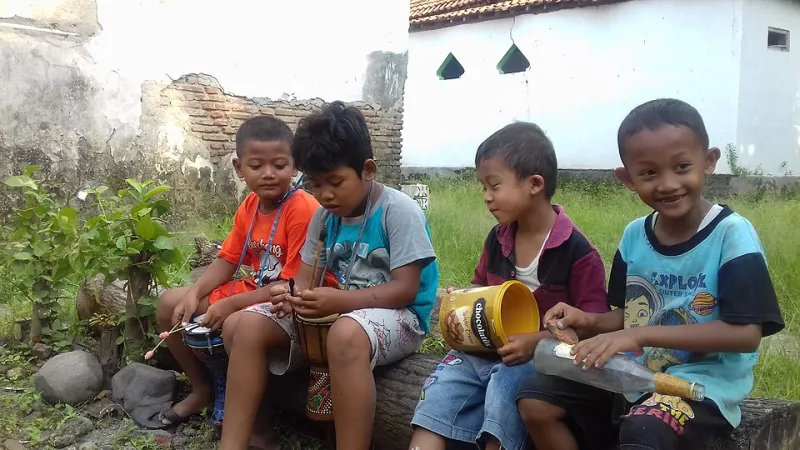
Photo: GAMBIN GB, CC BY-SA 4.0, via Wikimedia Commons
If you've ever watched your child come home from a week outdoors and thought, something is different about them—you weren't imagining it. The sunburned cheeks, the slower pace, the willingness to actually sit at dinner and talk—these aren't coincidences. They're the measurable effects of what researchers have started calling "nature immersion," and the northern wilderness version of it might be the most potent form available.
At Camp North End, we've seen this transformation play out summer after summer. But we wanted to understand why. So let's dig into what the science actually tells us about what happens to kids' minds and bodies when they spend extended time in northern outdoor environments.
The Extended Daylight Effect Is Real
One of the most distinctive features of a northern summer is the sheer amount of daylight. In northern latitudes, summer days can stretch well past 9 or 10 p.m., and that extra light exposure has measurable effects on human biology.
Sunlight triggers the brain's production of serotonin, the neurotransmitter most closely associated with mood regulation and emotional stability. Research published in The Lancet Psychiatry found a direct relationship between sunlight exposure and serotonin synthesis, suggesting that more light equals a more balanced emotional baseline. For kids who've spent a school year under fluorescent lights and staring at screens, stepping into weeks of northern sunlight is essentially a neurochemical reset.
Additionally, extended daylight helps regulate circadian rhythms. When kids are active outdoors during natural light hours and winding down as the sun finally sets, their sleep architecture tends to improve—even if bedtime is later than usual. Quality of sleep, not just quantity, is one of the strongest predictors of emotional regulation in children and adolescents.
Nature Reduces Cortisol—And That Matters More Than You Think
Cortisol is your body's primary stress hormone. In short bursts, it's useful. Chronically elevated, it's associated with anxiety, difficulty concentrating, impaired memory, and weakened immune function. American kids are dealing with cortisol levels that researchers are increasingly calling a public health concern.
Studies out of Stanford and the University of Michigan have shown that spending time in natural environments—particularly green spaces with water, trees, and open sky—measurably reduces cortisol levels within as little as 20 minutes. Extend that to days and weeks of outdoor immersion, and you're looking at a fundamentally different physiological baseline.
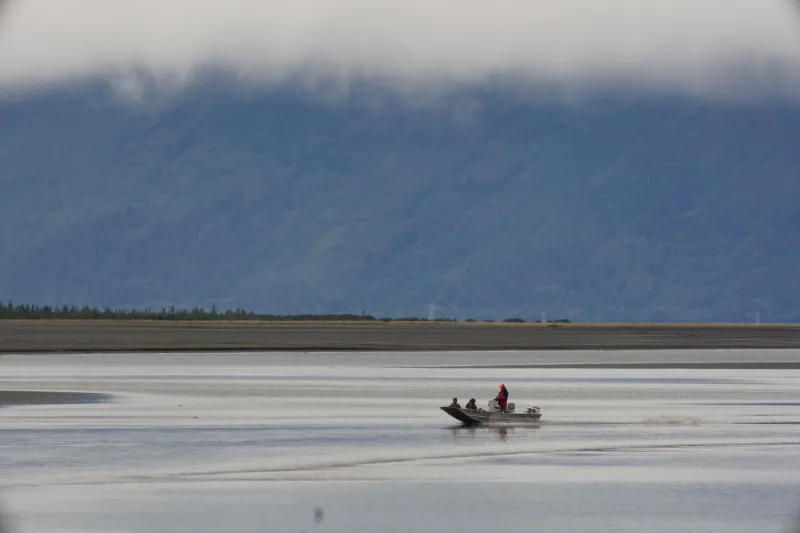
The northern wilderness delivers this in abundance. The sensory environment—wind through birch trees, the sound of a lake, the smell of pine—engages what researchers call "soft fascination," a form of effortless attention that allows the prefrontal cortex to rest and recover. This is the exact opposite of what screens and overscheduled activities demand from developing brains.
Social Connection Without the Algorithm
Here's something that doesn't show up in enough wellness conversations: the quality of social interaction matters as much as the quantity. Kids today often have enormous social networks and still report feeling profoundly lonely. The reason, according to researchers like Sherry Turkle at MIT, is that digital communication lacks the reciprocity, vulnerability, and physical presence that make relationships genuinely nourishing.
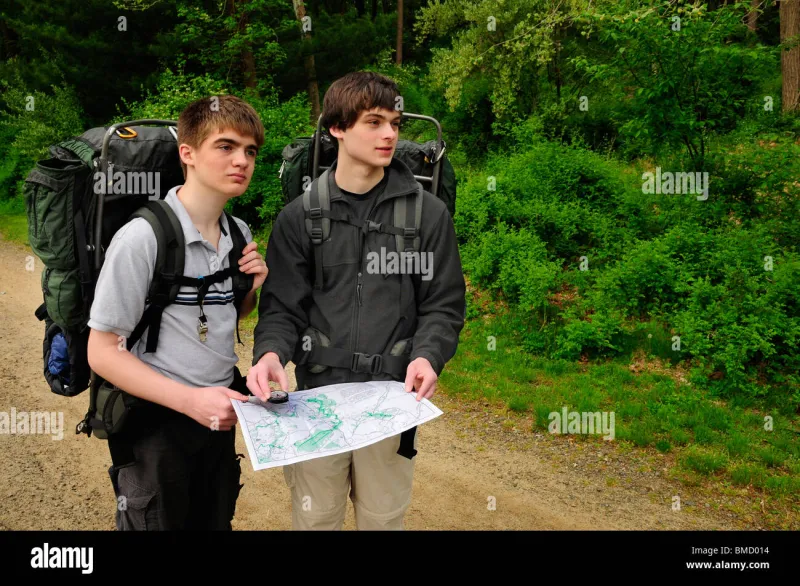
At Camp North End, kids share tents, cook together, navigate disagreements without blocking each other, and celebrate real accomplishments in real time. The community that forms around a campfire or a challenging trail isn't curated—it's authentic. And that authenticity is what builds the kind of social confidence and belonging that mental health professionals consistently identify as protective factors against depression and anxiety.
A 2019 study in JAMA Pediatrics found that adolescents who reported higher levels of in-person social connection showed significantly lower rates of depressive symptoms, even when controlling for online social activity. Outdoor camps, particularly those with structured group challenges, are exceptionally good at generating exactly this kind of connection.
The Confidence Loop That Keeps Giving
One of the most exciting findings in adolescent psychology over the past decade involves what researchers call "mastery experiences"—moments when a young person attempts something genuinely difficult and succeeds. These experiences don't just feel good in the moment; they fundamentally reshape how a child sees themselves.
Albert Bandura's foundational work on self-efficacy shows that mastery experiences are the single most powerful source of confidence-building in young people—more effective than praise, encouragement, or observation. And northern wilderness environments are essentially a delivery system for mastery experiences.
Portaging a canoe. Starting a fire in the rain. Finishing a multi-day hike. Each of these accomplishments creates a new data point in a child's self-concept: I can do hard things. That belief, once established, tends to generalize. Kids who've summited a northern ridge often find that the anxiety they used to feel about math tests or social situations has quietly shrunk in proportion.
Screen-Free Time Is Structural, Not Punitive
Parents trying to limit screen time at home know the battle well. It's constant, it's exhausting, and it breeds resentment. What makes outdoor camp different is that the screen-free environment isn't a rule being enforced—it's a natural consequence of being somewhere more interesting.
When kids are genuinely engaged with their environment—watching for wildlife, reading water currents, learning to identify constellations under a northern sky—their brains are getting exactly the stimulation they were designed for. The dopamine hits are real, they're just coming from accomplishment and discovery rather than notifications.
Researchers at the University of Colorado found that just one week of camping without screens reset adolescents' cognitive rhythms and improved performance on attention and problem-solving tasks. Imagine what a full northern summer does.
What This Means for Your Family
We're not suggesting that a summer at Camp North End is a cure-all. Mental health is complex, and every kid is different. But the research is remarkably consistent: outdoor immersion in natural environments, especially those with extended daylight, community structure, and genuine physical challenge, produces measurable improvements in mood, focus, resilience, and social confidence.
The northern wilderness isn't just a beautiful backdrop. It's an active ingredient.
And the best part? Most kids don't realize any of this is happening. They're just having the best summer of their lives.