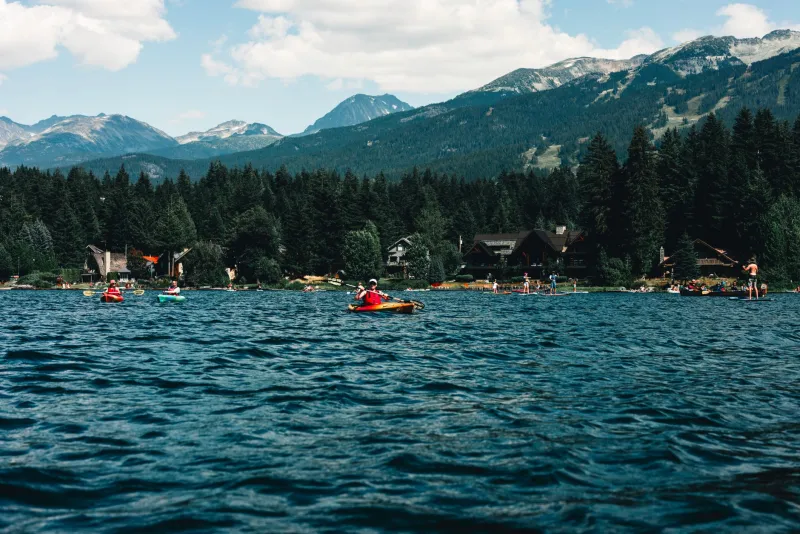
Midnight Sun Fishing: Your Complete Guide to Angling in North America's Best Northern Waters
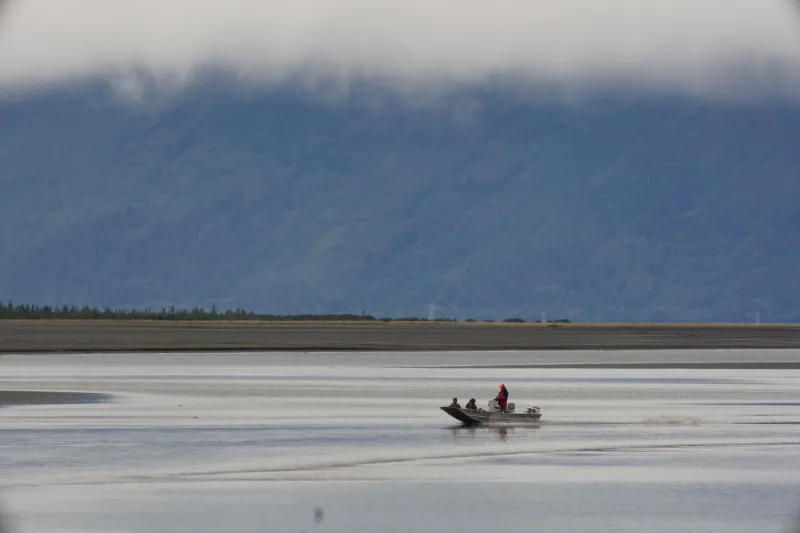
Imagine casting a line at 11:30 p.m. with enough light to read a map by. The water is glass-calm, the forest is dead quiet, and somewhere beneath the surface, a pike is about to make a very bad decision. This is northern summer fishing — and once you've experienced it, fishing anywhere else feels a little ordinary.
The extreme northern latitudes of Alaska, Canada, and the upper Midwest offer a fishing experience unlike anything in the lower 48. Extended daylight — sometimes approaching 20 to 24 hours during peak summer — affects fish behavior in fascinating ways, and knowing how to read those patterns puts serious fish in your net. Here's everything you need to plan a trip.
Why the Midnight Sun Changes Everything
Fish are deeply responsive to light. In most environments, feeding activity is concentrated around dawn and dusk — the low-light transitions that give predators a tactical edge. But in the far north during summer, those transitions barely exist. The result is a longer, more distributed feeding window that keeps fish active at hours that would be dead zones further south.
That said, fish still follow rhythms. Even under an endless sky, water temperature, insect activity, and current patterns create feeding peaks. The most productive windows in northern waters tend to cluster around what would be dusk and dawn — roughly 10 p.m. to 2 a.m. and again around 4 to 7 a.m. — even when the sky barely darkens. Experienced northern guides call these the "soft hours," and they're when trophy fish move most aggressively.
Top Northern Destinations for Summer Angling
Alaska: The Gold Standard
Alaska is, without question, the crown jewel of North American fishing. The Kenai River is legendary for its king salmon runs — Chinook salmon over 70 pounds are not unheard of — and the peak window runs from mid-June through July. The Kenai Peninsula also offers world-class halibut fishing out of Homer, where flat fish exceeding 200 pounds are caught regularly by guided charter boats.
For river fishing, the Copper River drainage and the waters around Dillingham offer exceptional sockeye salmon action in July and early August. Fly-in fishing lodges in the Bristol Bay region are in a league of their own — remote, staggeringly productive, and absolutely worth the investment for a serious angler.
Best species: King salmon, sockeye salmon, rainbow trout, halibut, Dolly Varden Peak timing: Mid-June through early August
Minnesota's Boundary Waters
For families and first-time northern anglers, the Boundary Waters Canoe Area Wilderness in northern Minnesota is one of the most accessible and rewarding destinations in the country. The BWCAW contains over a million acres of interconnected lakes and rivers, most of them accessible only by canoe — which means fishing pressure stays remarkably low.
Walleye are the signature species here, and summer evenings (remember those soft hours) are prime time. Smallmouth bass in the BWCAW run large and fight hard. Northern pike lurk in every weedy bay, and they're aggressive enough that even kids with minimal experience can hook into something memorable.
Base camps and outfitters in Ely, Minnesota can set you up with everything from a full guided trip to a self-outfitted canoe expedition. Many also offer family-specific packages that include gear, meal planning, and route guidance.
Best species: Walleye, smallmouth bass, northern pike, lake trout Peak timing: Late June through August
Ontario and Manitoba, Canada
Cross the border into Ontario or Manitoba and the fishing gets even more remote. Lake of the Woods — straddling the Minnesota-Ontario border — is one of the most productive walleye fisheries on the continent. Further north, fly-in lodges on lakes throughout the Canadian Shield offer pike and lake trout fishing that is genuinely world-class.
Fishing lodges in northern Manitoba, particularly around Flin Flon and The Pas, cater specifically to American anglers chasing trophy northern pike. These fish are measured in feet, not inches, and the remote lakes see minimal pressure. Many lodges offer all-inclusive packages that handle everything from customs paperwork to shore lunches.
Best species: Northern pike, walleye, lake trout, Arctic grayling (in the far north) Peak timing: July through mid-August
Essential Gear for Northern Summer Fishing
Fishing the north is different enough from fishing in temperate regions that your gear list deserves a second look.
Layering is non-negotiable. Even in July, mornings on a northern lake can be genuinely cold. A base layer, mid-layer fleece, and a waterproof shell should be in your pack regardless of the forecast.
Sun protection matters more than you think. Twenty hours of daylight means twenty hours of UV exposure. High-SPF sunscreen, UV-blocking sunglasses, and a wide-brimmed hat aren't optional.
For pike and lake trout: Medium-heavy to heavy spinning or baitcasting rigs, 15-20 lb monofilament or braid, steel leaders for pike (they will cut through fluorocarbon), and large spoons, swimbaits, or tube jigs.
For walleye: Medium spinning setup, 8-12 lb line, jig heads with soft plastic tails or live bait rigs. Walleye are notoriously light biters — sensitivity matters.
For salmon: This depends heavily on the river. Fly setups are traditional and effective; spinning gear with spinners or spoons works well for beginners. Check Alaska regulations carefully — gear restrictions vary by river and run.
Bug protection: Bring it. All of it. A head net is not a sign of weakness — it's wisdom.
Tips for First-Time Northern Anglers
- Book a guide for at least one day. Even experienced anglers benefit enormously from a local guide who knows the specific water. The knowledge transfer alone is worth the cost.
- Fish the edges. Weed lines, drop-offs, points, and rocky shorelines concentrate fish in northern lakes just as they do everywhere else. Structure is your friend.
- Don't fight the midnight sun schedule. If the best fishing is at midnight, fish at midnight. Sleep when the fish aren't biting. This is the north — the rules are different.
- Check licensing requirements. Every state and Canadian province has its own fishing license requirements, and some species have specific regulations. Alaska and Canadian provinces require separate licenses from US state licenses.
- Practice catch and release for trophy fish. The remote lakes of the north sustain large fish because the pressure stays low. Take what you'll eat, release the rest.
Family-Friendly Lodges and Outfitters
- Ely, Minnesota outfitters (Boundary Waters): Piragis Northwoods Company and Voyageur North Outfitters both offer family packages with kid-sized gear and guided day trips.
- Kenai Peninsula, Alaska: Several Homer-based halibut charters specifically accommodate families with younger children — look for boats that offer half-day trips.
- Canadian fly-in lodges: Many Manitoba and Ontario lodges have shifted toward family-friendly programming, with shore lunch traditions that turn a fishing day into a full cultural experience.
The Last Cast
Fishing under a sky that glows at midnight is one of those experiences that recalibrates your relationship with the natural world. The north doesn't just offer great fishing — it offers fishing in a context that feels genuinely wild, genuinely remote, and genuinely different from anywhere else you've cast a line.
Whether you're introducing a kid to the sport for the first time or chasing the trophy fish that's been on your list for years, North America's northern waters in summer are as good as it gets. Pack your layers, load up on bug spray, and get ready to fish at an hour when the rest of the world is fast asleep.