2,000 Miles Apart and Still Best Friends: The Secret Life of Northern Camp Bonds
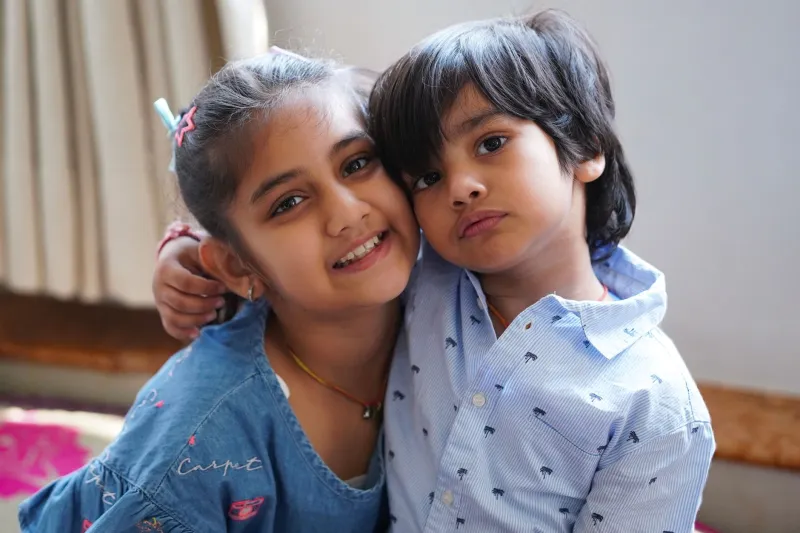
It happens every August. The buses pull away from camp, kids are crying through the windows, and your child — who barely texted you all summer — is suddenly desperate to stay in contact with a kid from suburban Atlanta or a girl from a small town in New Mexico. You hand over your phone so they can swap numbers, and you quietly wonder: how long does this actually last?
Longer than you think. Way longer than most hometown friendships, actually. And there's a real reason for that.
Why These Friendships Hit Different
Think about how most school friendships form. Kids end up together because of proximity — same classroom, same neighborhood, same soccer team. The relationship is built on convenience as much as anything else. That's not a criticism. That's just how social life works for most kids most of the time.
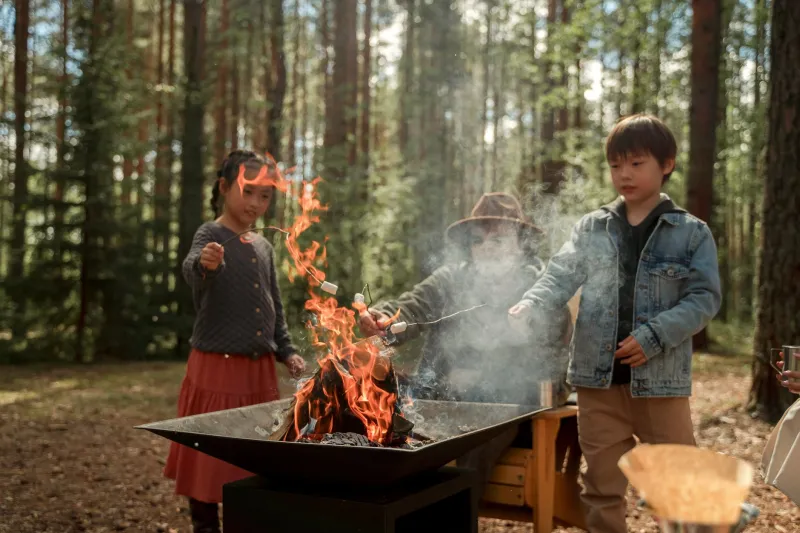
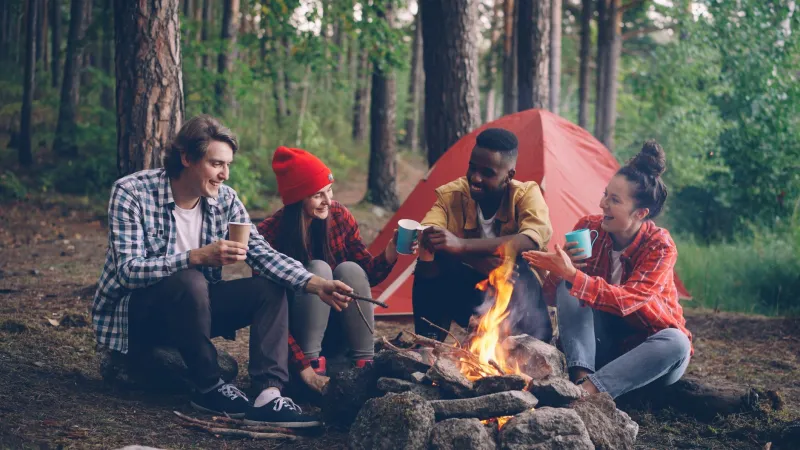
Northern Camp friendships don't have that luxury. They're built fast, under pressure, in conditions that strip away a lot of the social performance kids do in regular life. When you're navigating a trail together in the rain, or figuring out how to start a fire with wet wood, or staying up way too late talking under a sky full of stars — you're not curating yourself. You're just you.
Psychologists sometimes call this "accelerated intimacy" — the kind of closeness that forms when people share intense, novel experiences in a short period of time. It's the same phenomenon that makes people who go through challenging things together (think: college orientation trips, wilderness expeditions, even difficult team sports seasons) often become lifelong friends. The north has a way of fast-tracking that process.
So when summer ends, these kids aren't just missing a friend. They're missing someone who saw them at their most real.
The Distance Problem (And Why It's Actually an Advantage)
Here's the paradox nobody talks about: the geographic distance that seems like the biggest obstacle to these friendships might actually be what keeps them strong.
Hometown friendships drift apart quietly. You don't notice it happening because you still see each other in the hallway every day. The friendship doesn't die — it just slowly becomes surface-level. You stop actually talking because you're always sort of around each other.
Long-distance camp friendships can't coast. Every interaction has to be intentional. When your kid picks up the phone to FaceTime their bunkmate in Colorado, that's a choice they're actively making. They're saying: this person matters enough that I'm going to carve out time to stay connected. That kind of intentionality creates depth. It also means that when these kids do see each other again, they've actually got things to catch up on.
Distance forces the friendship to grow up a little. And that's a good thing.
What Parents Can Actually Do to Help
Kids need some scaffolding here, especially in the first year. Don't assume the friendship will maintain itself — but don't micromanage it either. Here's a middle path that works.
Start with a shared group chat. Before your kid leaves camp, help them set up a group chat with their closest bunkmates. Not just a two-person thread — a group. That way, the social energy doesn't all fall on one person to maintain. Someone always has something funny to share, and the thread stays alive on its own momentum.
Mark the calendar before September. The single best thing you can do in the first few weeks after camp is to put a date on the calendar for something — anything. It doesn't have to be a big trip. A virtual movie night, a group video call, a shared playlist project. Having something to look forward to keeps the connection from fading in those first awkward months when everyone's adjusting back to school life.
Plan a midwinter reunion if you can swing it. This one takes more coordination, but the payoff is real. A handful of camp families connecting for a long weekend — whether that's at someone's house, a ski lodge, or somewhere in between — recharges the friendship in a way that no amount of texting can replicate. It also shows kids that these relationships are worth investing in, which is a lesson that carries way beyond summer.
Let the friendship be theirs. It's tempting to stay in the loop on everything, especially when your kid is close with someone you've never met. But these friendships work best when kids feel ownership over them. Offer logistical support. Help with travel planning. Buy the extra data plan if you need to. But let them drive the relationship.
The Reunion Trip: Worth Every Bit of Planning
If there's one thing that consistently strengthens long-distance camp bonds, it's the intentional return — coming back to camp together the following summer, or meeting up somewhere that has that same outdoor, away-from-everything energy.
There's something powerful about going back to the place where a friendship was born. It reactivates all the memories, reminds both kids why they connected in the first place, and gives them a new shared experience to layer on top of the old ones. A lot of Northern Camp friendships that might have faded after one year get completely re-cemented the second summer when those kids find each other again on opening day.
For older campers who age out of programs, coordinating a group camping trip or outdoor adventure in the off-season can serve the same purpose. Keep the context similar — outdoors, low-tech, a little bit challenging — and the same chemistry tends to show up.
What This Teaches Kids About Relationships in General
Here's the thing parents often miss: the effort your kid puts into maintaining a long-distance camp friendship is actually teaching them one of the most important social skills there is. They're learning that meaningful relationships require maintenance. That connection doesn't just happen — it's made, and remade, over and over.
That's a lesson a lot of adults are still figuring out.
Kids who learn to tend to their friendships intentionally — who pick up the phone just to check in, who plan ahead to see people they care about, who don't let distance become an excuse — those kids become adults who know how to keep relationships alive through moves, career changes, and all the other things that scatter people across the country.
Your kid's bunkmate might live 2,000 miles away. But if they're still talking in October, and again in February, and back at camp the following July — that friendship is doing something most adult friendships never manage.
That's worth a little extra effort on your end. And theirs.